Un jardin palestinien
2023
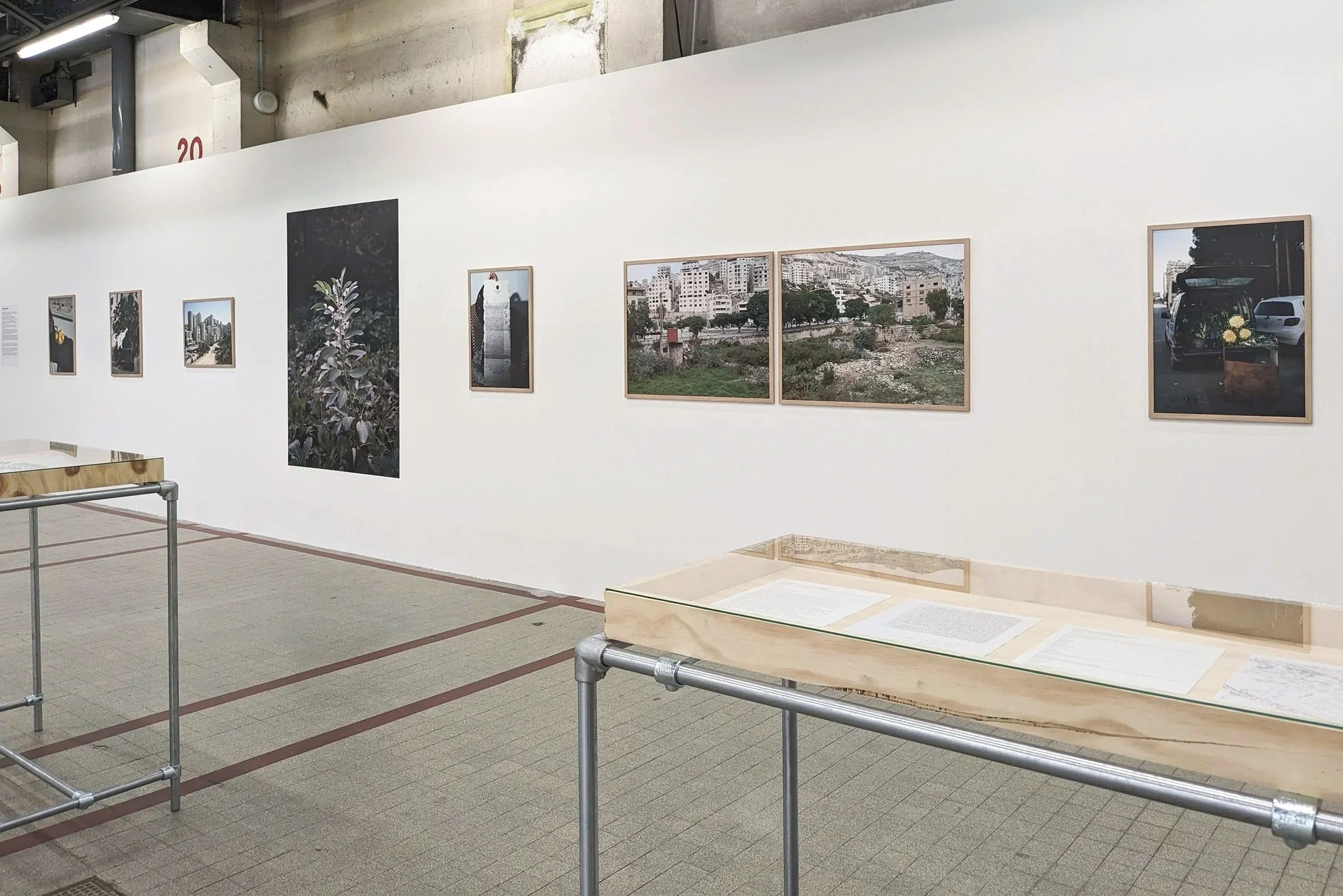
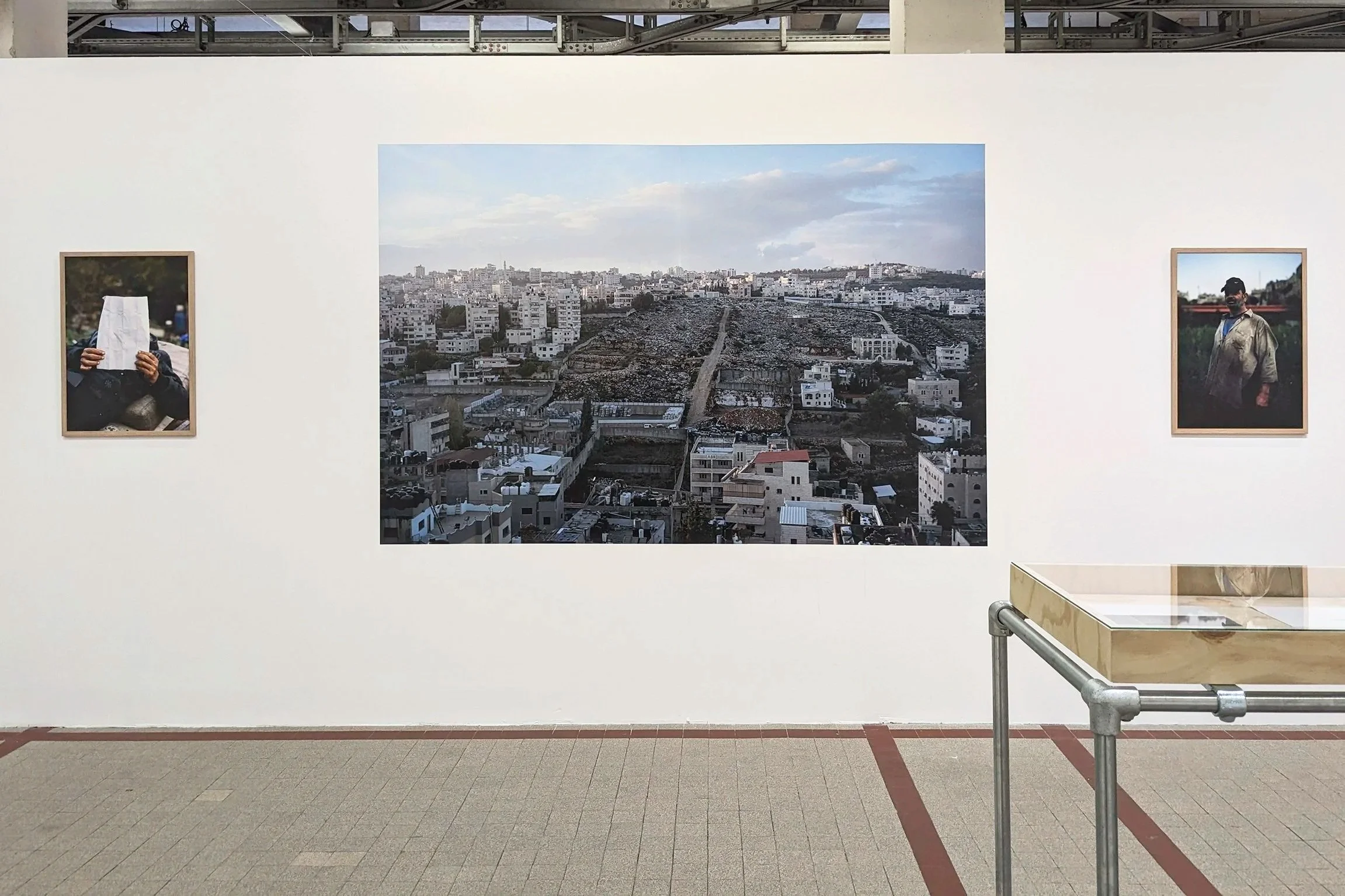
Exposition collective La chair et la pierre. Le 109, festival L’Image Satellite, Nice.
Un jardin palestinien est une proposition issue du travail documentaire Waqf de Gaëtan Soerensen. Le projet est présenté avec la collaboration d’Adrien Vargoz, commissaire indépendant.
Durant 5 années, Gaëtan Soerensen s’est rendu plusieurs fois en Cisjordanie afin d’y retrouver un terrain, au cœur de Naplouse, appartenant à une famille exilée après la guerre des Six Jours en 1967. Les membres de cette famille exilés, les Fakhreddine, sont dans l’impossibilité de revoir leur terre. Ils précisent que ce terrain est sous la juridiction d’un acte cadastral : le waqf. Le waqf place le terrain en question sous séquestre et rend sa vente impossible, car appartenant ad vitam æternam à la famille et leurs descendants.
En se rendant en Palestine, Gaëtan Soerensen a pu observer les contours de ce terrain. Dans l’impossibilité d’y investir d’avantage, les membres restants de la famille ont choisi de louer gracieusement le terrain à des fermiers afin qu’il ne devienne pas une friche. La terre continue à produire, l’observer nous aide à comprendre ce que le waqf représente. Il représente la trace d’une origine si souvent mise à mal par l’inexistence d’un État. Ce n’est pas simplement un leg ou un héritage, c’est une véritable preuve d’existence. Preuve d’être légitime, preuve de résister.
~
Un jardin palestinien is a proposal stemming from Gaëtan Soerensen’s documentary project Waqf. The project was presented in collaboration with Adrien Vargoz, independent curator.
Over a period of five years, Gaëtan Soerensen travelled several times to the West Bank in search of a plot of land in the heart of Nablus, belonging to a family exiled after the Six Day War in 1967. The members of this family, the Fakhreddines, are unable to return to their land. They explain that the plot is protected by a legal status known as a waqf. The waqf places the land under trusteeship and prevents its sale, as it remains perpetually the property of the family and their descendants.
By travelling to Palestine, Gaëtan Soerensen was able to observe the boundaries of the land. Unable to invest further in it, the remaining members of the family chose to allow farmers to cultivate it freely, so that it would not become abandoned. The land continues to produce, and observing it helps us understand what the waqf represents. It is the trace of an origin so often undermined by the absence of a state. It is not simply a legacy or an inheritance, but a tangible proof of existence. Proof of legitimacy, proof of resistance.


Photographies d’exposition © Akinori Kumamoto